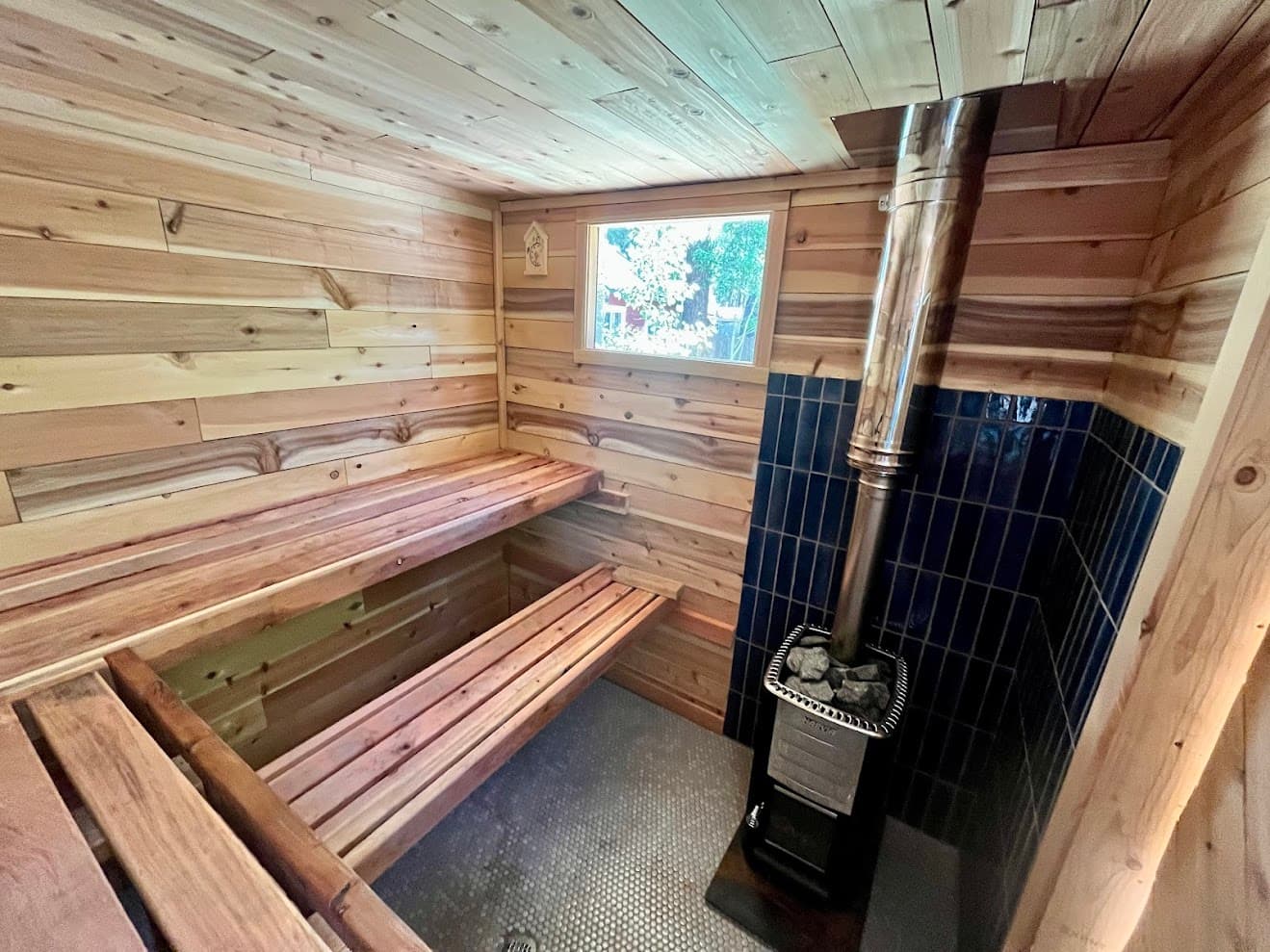
Nevada's sauna market is experiencing growth. Reno has emerged as a wellness destination with a thriving fitness and recovery culture. Carson City and the surrounding regions are following. The Tahoe area (which straddles Nevada and California) has the strongest sauna presence, with mountain communities embracing cold/hot contrast therapy and wellness practices.
Nevada's dry desert climate presents unique opportunities and challenges for sauna builders. Understanding these specifics is key to a successful build.
Low Humidity: Nevada's desert climate is characterized by low humidity (often 20-30% compared to coastal areas at 60-80%). This is actually an advantage for sauna durability — moisture is less of a concern than in humid climates. Wood doesn't swell or rot as easily. Mold and mildew are less likely.
Extreme Heat in Summer: Reno and Carson City experience temperatures above 95°F in summer. Saunas are less appealing during peak heat but remain valuable for recovery year-round, especially for athletes and fitness enthusiasts.
Cold Winters in Elevated Areas: Reno (4,600 ft elevation) and surrounding areas experience cold winters with snow. This makes year-round sauna use appealing for wellness and recovery.
Year-Round Use is Viable: Unlike southern California's perpetual warmth, Nevada saunas serve as genuine wellness tools, especially for fitness recovery, detoxification, and contrast therapy (sauna + cold plunge or cold shower).
Nevada Administrative Code (NAC): Nevada has its own building code based on the International Building Code (IBC). Sauna-specific requirements are less stringent than California's Title 24, making Nevada builds somewhat more straightforward.
County Variations: Requirements vary significantly by county. Washoe County (Reno area) has different rules than Carson City or Elko County. Always check with your local building department first.
Permitting Timeline: Nevada permitting is typically faster than California — expect 2-3 weeks for approval in most counties. Reno and Carson City are more developed, so processes are established.
Inspections: Typical inspections include framing, rough electrical, and final inspection. Sauna-specific inspections are less common than in California.
Trusted by homeowners across Tahoe and beyond
Ventilation: While moisture is less of a concern, active ventilation is still essential to remove humidity during sauna use. The dry surrounding air will quickly reabsorb moisture if properly vented.
Insulation: Desert areas experience large temperature swings (hot day, cold night). Good insulation (R-19 walls, R-30 ceiling) keeps heat in during sessions and protects against outdoor temperature extremes.
Heat Management: In summer, a well-insulated sauna can stay cooler between uses. In winter, insulation retains heat. This is actually ideal for sauna performance year-round.
Wood Selection: The dry climate is kind to wood. Cedar, hemlock, and aspen all perform well. You may see less degradation over time compared to humid regions.
Reno is a wellness hub. The city has a strong fitness culture, multiple CrossFit gyms, recovery centers, and active outdoor communities. Sauna adoption is growing in commercial fitness and residential settings.
Many Reno homeowners are installing saunas in home gyms, integrated with fitness recovery, cold tubs, and contrast therapy setups. The altitude (4,600 ft) and active lifestyle make saunas valuable.
A sauna in Reno adds significant value to a home and appeals to buyers interested in wellness and active lifestyles.
Carson City (4,700 ft elevation) has similar climate to Reno but is less developed for wellness infrastructure. The sauna market is smaller but growing.
Las Vegas area (lower elevation, very hot summers) is less suitable for year-round sauna use due to extreme summer heat. When building in Vegas, consider location (indoor facility is ideal) and expect primarily winter and spring use.
Nevada Permitting Experience: Ask about their experience with Nevada building codes and local county permitting. Reno builders are more abundant; Carson City builders fewer.
Sauna-Specific Knowledge: Look for builders with a track record of sauna projects. Ask to see completed saunas and speak with homeowners.
Desert Climate Understanding: Do they understand the benefits of low humidity and challenges of desert temperature swings?
Material Sourcing: Can they source sauna-grade wood and materials in Nevada? Some materials require shipping or ordering.
Ventilation Design: Even in dry Nevada, proper ventilation is critical. Ask how they design exhaust and makeup air.
The Nevada side of Lake Tahoe (Incline Village, Zephyr Cove, North Shore) has strong sauna cultures. These communities blend mountain wellness with luxury home features. Saunas are common in vacation homes and primary residences.
Tahoe Sauna Company specializes in the Lake Tahoe region and understands the unique requirements of high-elevation, cold-climate, moisture-intensive builds on both the California and Nevada sides.
Budget Build (4x6): $7,000–$14,000. Standard insulation, basic finishes, electric heater.
Mid-Range (5x8): $14,000–$25,000. Quality cedar, better insulation, changing room, standard heater.
Premium (6x8+): $25,000–$50,000+. Premium materials, cathedral ceilings, integrated changing room, advanced ventilation.
Nevada's less stringent codes typically mean lower costs than California, and faster permitting (saving time and permitting fees).
Timeline: 2.5–3.5 months from design to completion (faster permitting than California).
Nevada's dry climate is ideal for integrating a cold plunge or cold tub with a sauna. The contrast therapy (hot sauna → cold exposure) is popular for recovery.
Cold water from a well or chiller stays cold in Nevada's low humidity. An outdoor cold tub or indoor plunge + sauna combo is increasingly popular in Reno fitness and wellness spaces.
Inadequate Insulation: Desert temperature swings mean under-insulating will result in poor heat retention and high operating costs.
Underestimating Summer Heat: An outdoor sauna in Reno in July is unusable. Plan for indoor location or heavy-duty shade.
Neglecting Ventilation: Even in dry Nevada, exhaust ducts are essential for moisture control and air quality.
Poor Permitting Planning: A county permit is non-negotiable. Some builders try to skip permitting — avoid them.
Ask potential builders:
12 decisions that determine how well your sauna performs — insulation, bench height, heater sizing, ventilation, and more.
Have questions about your project? Send us a message or schedule a free 15-minute intro call.
Schedule a free 15-minute intro call or send us a message about your project.
We'll learn about your space, goals, and timeline — and recommend the right next step for your project.