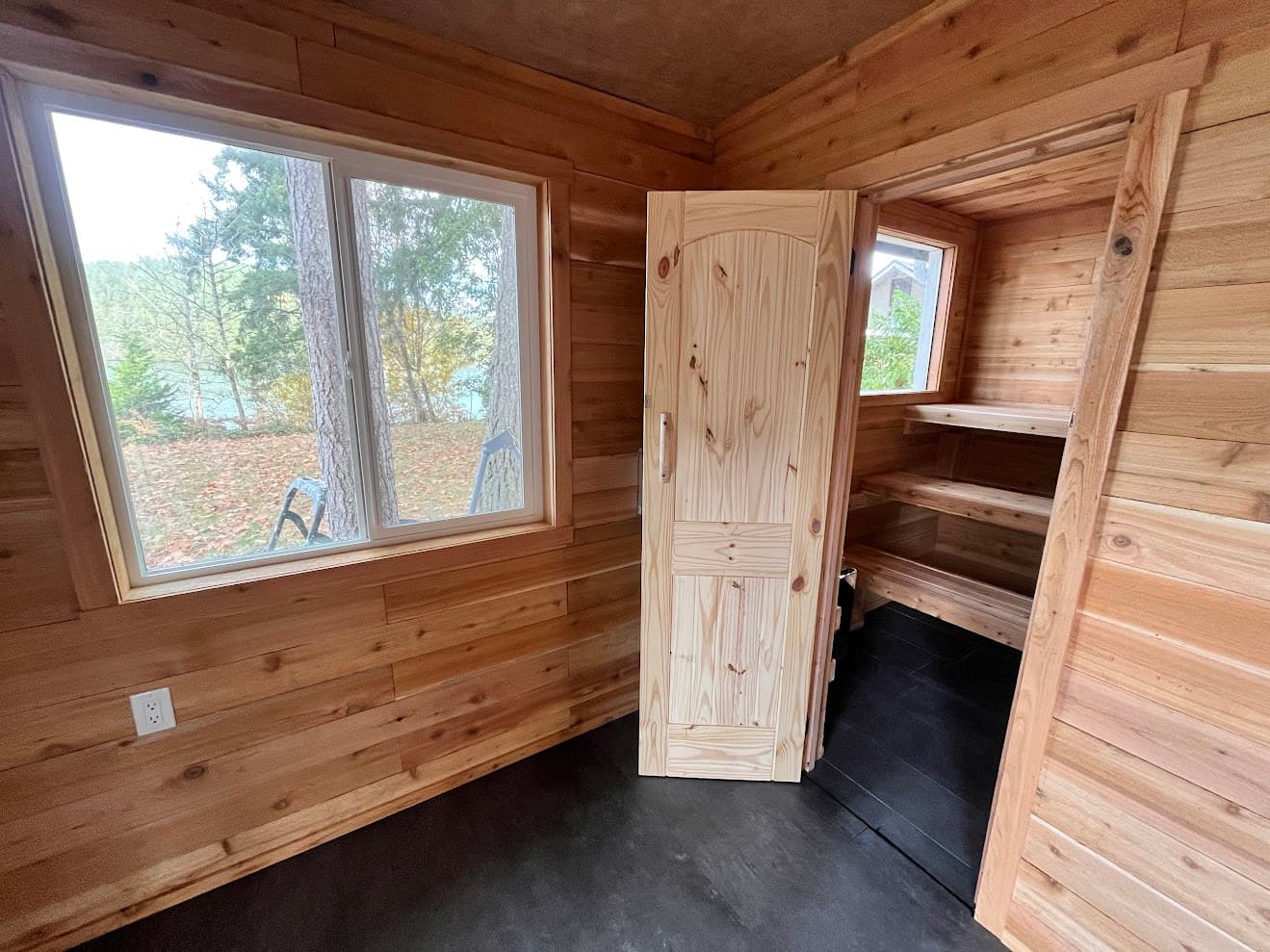
The ultimate home gym includes not just equipment for training, but tools for recovery. A sauna paired with your workout space creates a complete wellness environment. Post-workout sauna use improves muscle recovery, increases flexibility, reduces soreness, and boosts overall fitness performance.
Muscle Recovery: Heat increases blood flow, delivering oxygen and nutrients to fatigued muscles. This accelerates recovery and reduces DOMS (delayed-onset muscle soreness).
Flexibility Improvement: Heat softens muscle tissue, allowing greater range of motion. Post-workout sauna use improves flexibility gains.
Endorphin Release: Heat exposure triggers endorphin (natural pain-relief) release, reducing post-workout soreness perception.
Detoxification: Heavy sweating aids natural detoxification, removing metabolic waste from training.
Mental Recovery: Heat relaxation reduces cortisol and mental fatigue after intense workouts.
Typical Setup: A 4x6-foot sauna fits in a corner of a garage gym or basement without consuming significant space. The footprint is similar to a squat rack or cable machine.
Proximity to Shower: Position the sauna near a shower or cold plunge area. The ideal sequence: workout → sauna → cool-down → shower. This creates a recovery ritual.
Ventilation: Ensure the sauna's exhaust duct vents to outside, not back into the gym. Moisture from sauna shouldn't affect gym equipment.
Floor & Drainage: If your gym is in a basement, a floor drain near the sauna prevents water damage. Sealed concrete or tile flooring handles moisture well.
Electrical: Your gym likely has ample electrical service. Run a dedicated circuit for the sauna heater (60A) from your breaker panel.
Trusted by homeowners across Tahoe and beyond
Interior Size: 4x4 works if space is tight (fits 1–2 people). 4x6 is ideal (2–3 people, more comfortable). A sauna in your gym doesn't need to be large; it's for individual recovery.
Materials: Cedar interior, tile or concrete floor, proper ventilation. Standard sauna specs apply.
Convenience Features: A water bottle holder and small shelf for towels add convenience. A timer prevents overuse post-workout.
Temperature Control: Cap heater at 180–185°F for safety post-workout. Very high temps aren't necessary for recovery. A quality electric heater with a built-in controller makes this easy — Select Saunas has heaters sized for small gym saunas in the 4.5–9kW range.
Garage Gym: A dedicated garage gym + sauna in one corner is popular. Sauna exhaust vents outside; heater runs when needed.
Basement Gym: Basement gyms + sauna work well if ventilation and drainage are planned. Cooler basement air helps temper extreme sauna humidity.
Garage Gym + Outdoor Sauna: Some builders place the sauna outside the gym structure but adjacent. The gym is for training; the outdoor sauna is for recovery.
CrossFit Garage + Sauna + Cold Plunge: The ultimate recovery setup: sauna + cold plunge + shower in a single location for contrast therapy after workouts.
Sauna (4x4 to 4x6): $5,000–$12,000 depending on finishes.
Installation in Existing Gym: $2,000–$4,000 for electrical, ventilation, and integration.
Total: $7,000–$16,000 for a complete home gym sauna.
Timeline: 2–3 weeks for installation if the gym space is already prepared.
12 decisions that determine how well your sauna performs — insulation, bench height, heater sizing, ventilation, and more.
Have questions about your project? Send us a message or schedule a free 15-minute intro call.
Schedule a free 15-minute intro call or send us a message about your project.
We'll learn about your space, goals, and timeline — and recommend the right next step for your project.