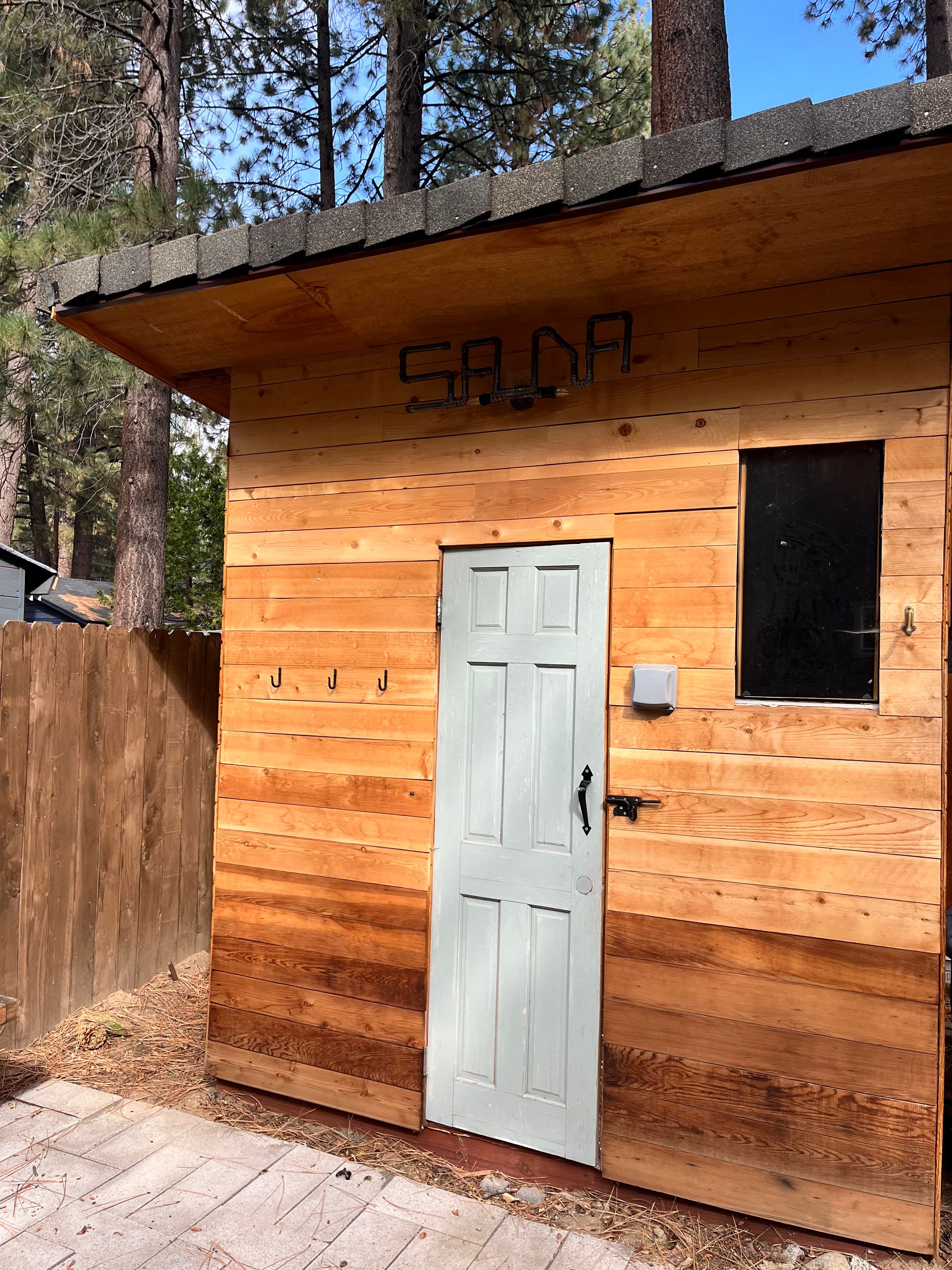
A well-equipped sauna is more than just the structure and heater. The right accessories make the difference between a functional sauna and one that creates an exceptional experience. From practical items like buckets and ladles to safety equipment, this guide covers what you need.
One critical rule governs all sauna accessories: everything that enters the sauna must withstand high temperatures and humidity without off-gassing harmful fumes. No plastics, synthetic materials, modern adhesives, or treated wood should be inside the sauna chamber.
The bucket and ladle (Amazon) are the foundation of sauna use. You'll use them to pour water on the heater stones (Amazon), creating steam (löyly). These are not optional — they're essential to the core sauna experience.
Material: Stainless steel, untreated wood (cedar or birch), or polished copper. Metal buckets are durable and sanitary. Wood buckets are traditional and absorb water, which keeps them from overheating.
Ladle size: A standard ladle holds 12-16 oz of water. This is roughly the right amount to pour over stones — enough to create steam without over-saturating the stones.
Bucket capacity: A 5-10 gallon bucket is typical. You'll refill it between saunas or during longer sessions as water evaporates.
Avoid plastic buckets or ladles. When heated, plastic off-gases and ruins the sauna experience.
A thermometer lets you monitor sauna temperature and ensure you're in the target range (typically 160-180°F for most users, up to 200°F for experienced bathers).
Material: All-metal analog thermometers (dial) or glass thermometers are best. Avoid digital thermometers with plastic housings — the heat damages them.
Placement: Mount it at eye level on an interior wall. Attach it to the wall with a small hook or screw, but do not use adhesive (glues off-gas).
Accuracy: Thermometers vary in accuracy. A tolerance of +/- 2-3 degrees is acceptable for sauna use.
A hygrometer measures humidity. While not essential, it helps you understand how much water you're adding and when the sauna feels "right." Many experienced sauna users develop an intuitive sense of humidity, but a hygrometer provides objective feedback.
Note: Analog hygrometers are more reliable in sauna conditions than digital ones. Mount it near the thermometer.
A simple mechanical timer helps track how long you've been in the sauna. Standard sauna sessions are 10-20 minutes per round, with cooling breaks between.
Material: An old-fashioned sand timer | Amazon (hourglass) works beautifully and requires no batteries. Wind-up mechanical timers are also good. Avoid battery-powered digital timers in sauna conditions.
Alternative: A waterproof watch or phone timer outside the sauna works if you prefer not to mount a timer inside.
A backrest | Amazon (typically a wooden panel or slanted piece) provides support if you're sitting upright on the bench. It's especially useful for upper benches where you might sit at an angle.
Material: Untreated cedar or pine slats. Avoid foam padding or modern materials.
Some saunas have built-in backrests as part of bench construction. A removable wooden panel works as an alternative.
Grab bars ensure safe entry and exit from benches, especially upper benches that are elevated. They're particularly important if you have guests of varying mobility or ages.
Material: Stainless steel or powder-coated steel. They must be securely mounted to the sauna frame, not the walls.
Placement: Install bars at the entry to upper benches and near the sauna door, especially if the door threshold is high.
Wet floors are slip hazards. A non-slip mat at the sauna entrance prevents accidents when people exit dripping wet.
Material: Natural rubber or wood slats. Avoid synthetic materials that off-gas. Some sauna owners simply place wooden duckboards on the floor.
Note: Inside the sauna chamber, non-slip mats are less common. Benches should be made of non-slip wood (cypress or cedar with a natural texture).
A properly insulated handle is critical. When someone inside the sauna reaches for the door, they shouldn't be burned by a hot metal handle.
Material: Stainless steel with a wooden hand grip. The wood acts as insulation and stays cool enough to touch.
This is typically part of a proper sauna door installation and should be included in any custom build.
While not an "accessory," ensure the sauna door opens easily from the inside and that there's a clear path outside. In an emergency (heat stress, panic), bathers need to exit quickly without obstacles.
The door should open outward (away from the sauna), never inward, for this reason.
If you have a wood-burning sauna, a Class C dry-chemical fire extinguisher should be mounted nearby (outside the sauna, but easily accessible). Check local building codes for requirements.
Trusted by homeowners across Tahoe and beyond
A small wooden headrest or neck support improves comfort, especially on upper benches where your head might otherwise tilt back.
Material: Untreated cedar, maple, or birch. The wood should be smooth to avoid splinters.
Soft, warm lighting creates a pleasant atmosphere. Small incandescent bulbs (not halogen, which are too hot) can be installed in sconces or recessed fixtures. LED lights are also acceptable if installed correctly.
Lighting should be mounted outside the core heat zone if possible, or use specialized high-temperature fixtures rated for sauna conditions.
Some sauna enthusiasts add a few drops of essential oils or hang fresh eucalyptus or birch branches inside the sauna. The heat releases aromatic oils.
Caution: Use only pure essential oils, never commercial fragrances. Add oils sparingly — they can overpower the sauna and irritate respiratory systems if overdone.
A simple wooden towel rack keeps towels organized and accessible. Place it just inside the sauna door or in the adjacent room.
While not strictly an accessory, wooden duckboards or slats inside the sauna (on top of concrete or tile) improve comfort and create a traditional aesthetic.
This cannot be overstated: never bring materials into the sauna that off-gas at high temperatures. This includes:
Safe materials for sauna accessories:
Quality sauna accessories don't need to be expensive. Many of the best items are simple and inexpensive:
Total for a fully equipped sauna with essentials and safety items: $200-400. Custom or high-end accessories (copper buckets, designer lighting) cost more, but basic quality items are affordable.
12 decisions that determine how well your sauna performs — insulation, bench height, heater sizing, ventilation, and more.
Have questions about your project? Send us a message or schedule a free 15-minute intro call.
Schedule a free 15-minute intro call or send us a message about your project.
We'll learn about your space, goals, and timeline — and recommend the right next step for your project.