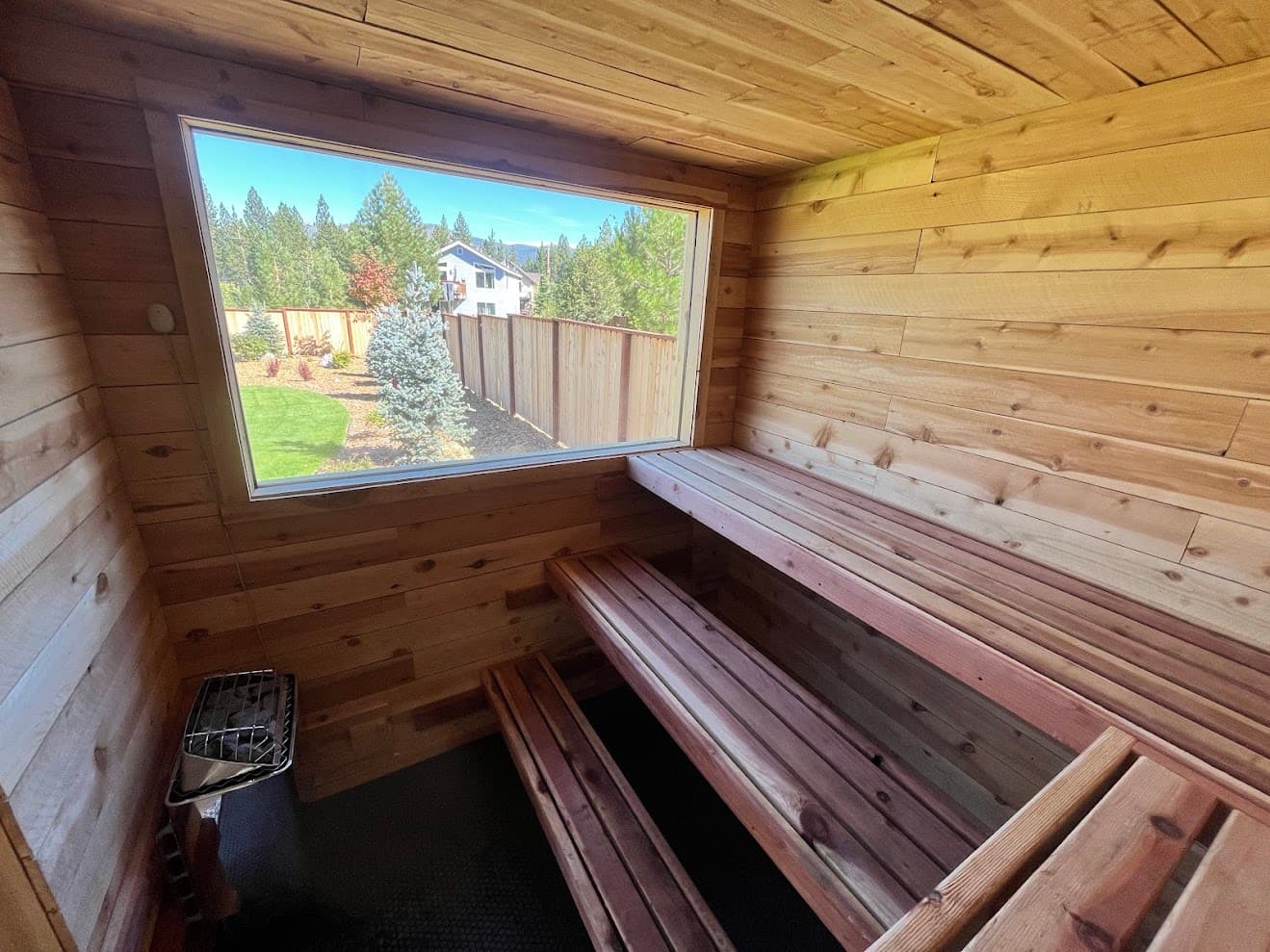
The Pacific Northwest — Seattle, Portland, and surrounding areas — has a unique climate perfect for sauna wellness. Cool, rainy weather means people are indoors frequently and heat therapy is genuinely appealing. The wellness culture is strong, especially in tech hubs like Seattle and Portland. And the natural outdoor lifestyle drives interest in recovery and contrast therapy.
However, the PNW's high humidity and frequent moisture present unique design challenges. A well-designed PNW sauna requires aggressive moisture management to ensure decades of durability.
Cool Temperatures Year-Round: Seattle averages 50°F annually; Portland 55°F. Winter lows drop to freezing; summer highs reach 75-80°F. This cool climate means saunas provide genuine warmth and comfort when the weather is gray and damp.
High Humidity & Frequent Rain: The PNW receives 40+ inches of rain annually (Seattle) and even more in coastal areas. Humidity is consistently 60-80%, creating ideal conditions for mold, mildew, and wood degradation — but also making sauna heat feel deeply relaxing.
Strong Wellness Culture: Seattle and Portland are wellness destinations. CrossFit, yoga, running, and recovery culture are mainstream. Sauna use aligns perfectly with this lifestyle. Saunas are growing in residential homes, gyms, and wellness centers.
Year-Round Use Appeal: Unlike sunny climates where summer heat makes saunas less appealing, the PNW offers comfort and appealing contrast year-round. An outdoor sauna in January, with rain and cold air, followed by a cold plunge or outdoor shower, is an intensely therapeutic experience.
Natural Integration: PNW homes often feature outdoor decks, forests, and natural spaces. A sauna integrated into a forest setting or next to a Zen garden is aesthetically and spiritually aligned with PNW values.
The biggest challenge in PNW sauna design is moisture control. You're taking a high-heat, high-humidity space and placing it in an already-humid region.
Vapor Barrier: A continuous, high-quality vapor barrier(6-mil polyethylene or equivalent) must seal the sauna interior from exterior humidity. This prevents outside moisture from seeping in.
Active Exhaust Ventilation: Don't rely on passive vents. Install a dedicated exhaust fan (4-6 inch duct) vented directly to the outside (not into attic or crawl space). This removes humidity during and after sauna use.
Makeup Air: As the sauna exhausts, fresh air must enter. Install a makeup air duct with a valve or damper. Without makeup air, the sauna can't properly exhaust.
Drying Time Between Uses: Run the exhaust fan for 20-30 minutes after each sauna session to fully dry the interior. This prevents moisture buildup.
Material Selection: Use rot-resistant woods (western red cedar is ideal for the PNW). Avoid woods susceptible to moisture damage. Stainless steel hardware (not galvanized steel, which corrodes) is essential.
Trusted by homeowners across Tahoe and beyond
Seattle has a rapidly growing sauna culture. Multiple sauna studios and wellness centers have opened in recent years. Residential adoption is accelerating, especially in higher-end homes and fitness-focused properties.
Seattle's tech wealth, wellness focus, and cool climate make saunas attractive. A sauna in a Seattle home is both a wellness investment and a luxury amenity that increases home value.
Common configurations in Seattle:
Portland is similarly wellness-oriented, with a strong DIY and artisanal culture. Many Portland saunas are custom-built (barrel saunas, shipping container saunas) rather than kit-based. The city's outdoor lifestyle and proximity to forests makes outdoor saunas popular.
Portland's milder winters (compared to Seattle) mean saunas serve more as year-round wellness tools than cold-weather necessities, but the rain and damp make them equally valuable.
Washington State & Seattle: Seattle has strict building codes. A permanent sauna requires a permit and inspections. The city requires proper electrical work, ventilation specifications, and energy code compliance.
Oregon & Portland: Oregon Code is slightly less stringent than Washington. Portland permitting is more straightforward than Seattle, but still requires permits and inspections for permanent structures.
Electrical: Both states require licensed electricians for sauna heater installation. DIY electrical work is not acceptable.
Ventilation Codes: Both states have specific ventilation requirements for humid spaces. Your sauna exhaust duct must be properly sized and routed to outside.
Timeline: Expect 3-6 weeks for Seattle permitting; 2-4 weeks for Portland. Both cities are experienced with sauna permitting.
Many PNW builders prefer outdoor saunas (barrel or custom). Advantages:
Humidity Management: Outdoor saunas vent directly to the outside air, eliminating moisture concerns inside the home.
Contrast Therapy Integration: An outdoor sauna + cold plunge + outdoor shower is the ultimate PNW wellness setup. Walking outside into rain or cool air after a sauna is intensely therapeutic.
Simpler Permits: Some jurisdictions permit outdoor structures more easily than indoor additions.
Natural Beauty: A forest-surrounded outdoor sauna feels connected to nature — very PNW.
Challenges: Weather exposure, heating in winter, and seasonal use. But for many PNW homeowners, these are features, not bugs.
Insulation: R-19 walls and R-30 ceiling minimum. PNW winter temperatures are mild but consistent. Good insulation reduces operating costs and improves comfort.
Roof Slope (if outdoor): Pitched roofs shed rain and snow better than flat roofs. Important in a rainy climate.
Deck/Platform: Elevate the sauna slightly off the ground to improve air circulation underneath and reduce moisture pooling.
Wood Species: Western Red Cedar is ideal for the PNW — it's locally available, rot-resistant, and aesthetically aligned with the region's natural style.
Changing Room/Covered Entry: A covered entry or small changing room protects you from rain during entry/exit.
Cold Plunge Integration: If you add a cold tub, design it to drain properly and integrate seamlessly with the sauna.
Budget Build (4x6 Indoor): $8,000–$15,000. Basic insulation, standard finishes, electric heater, moisture management.
Mid-Range (5x8 or Barrel Outdoor): $15,000–$30,000. Quality cedar, better ventilation, changing room, cold plunge option.
Premium (Custom 6x8+ with Integrated Cold Plunge):$30,000–$60,000+. Premium materials, cathedral ceilings, advanced ventilation, outdoor deck, integrated wellness retreat.
PNW labor costs (especially Seattle) are higher than many regions, adding to build costs. Permitting is efficient, saving time and fees.
Timeline: 3.5–4.5 months from design to completion.
Tahoe Sauna Company works with PNW homeowners via remote design services. We understand:
We provide remote sauna design for PNW clients — build-ready plans that account for moisture management, local codes, and your specific site conditions, delivered to you or your contractor.
Inadequate Ventilation: Undersizing the exhaust duct or using passive vents in a humid climate leads to moisture problems. Active, sized-for-capacity exhaust is essential.
Poor Vapor Barrier: Gaps or thin vapor barriers allow outside humidity to penetrate. Use a continuous, high-quality barrier.
Wrong Wood Species: Soft woods or species without rot resistance degrade quickly in the PNW. Cedar or hemlock only.
Neglecting Drainage: Outdoor saunas must drain properly. Pooling water around the base leads to rot. Slope the deck and install a drain.
Skipping Permits: Seattle especially enforces permitting. An unpermitted sauna can create liability and won't pass future inspections.
When vetting builders, ask:
12 decisions that determine how well your sauna performs — insulation, bench height, heater sizing, ventilation, and more.
Have questions about your project? Send us a message or schedule a free 15-minute intro call.
Schedule a free 15-minute intro call or send us a message about your project.
We'll learn about your space, goals, and timeline — and recommend the right next step for your project.