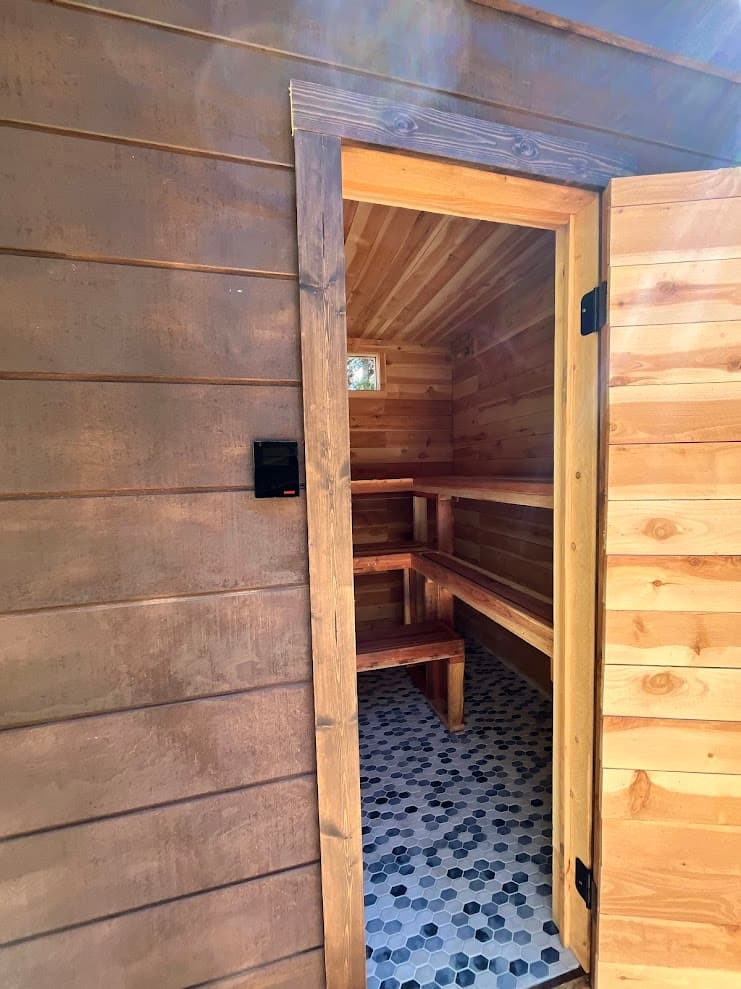
The benefits of sauna are real, but they depend on how you use it. Timing, frequency, temperature, and duration all matter. This guide covers different sauna routines for different goals — whether you want better sleep, post-workout recovery, energy, or longevity adaptations.
An evening sauna session is a powerful sleep aid. The mechanism is elegant: sauna exposure causes a sharp increase in core body temperature. When you exit the sauna and begin to cool, your body's natural thermoregulatory response triggers sleep onset.
The routine:
Why it works: Heat-induced perspiration and the subsequent core temperature drop mimic the natural circadian drop in temperature that precedes sleep. Your body interprets this as a strong sleep signal.
Best for: Those with sleep difficulties, high stress, or disrupted sleep schedules. Can be used 4–7 nights per week.
A morning sauna has the opposite effect: it raises core temperature, activates parasympathetic tone, and creates a gentle but noticeable energy boost.
The routine:
Why it works: Heat exposure activates parasympathetic (relaxation) tone while simultaneously increasing alertness and metabolic rate through heat shock proteins and other mechanisms.
Best for: Morning routine optimization, enhancing mental clarity, and setting a positive tone for the day.
Trusted by homeowners across Tahoe and beyond
Sauna after exercise accelerates recovery, reduces muscle soreness, and enhances the benefits of the workout itself.
The routine:
Why it works: Heat exposure increases human growth hormone (HGH) and heat shock proteins (HSPs), which repair muscle tissue, reduce inflammation, and improve mitochondrial function. The sauna effect compounds the exercise stimulus.
Best for: Athletes and regular exercisers. Particularly valuable for strength training recovery and endurance adaptations.
Dr. Rhonda Patrick's Protocol (Endorsed Research):
This protocol is based on epidemiological data showing that frequent sauna use (4+ times per week) is associated with significant reductions in cardiovascular mortality and all-cause mortality.
Dr. Andrew Huberman's Protocol (Neurobiological Focus):
Huberman emphasizes that the sauna should feel moderately challenging but not dangerous. The discomfort itself is part of the signal that triggers adaptation.
If maximizing human growth hormone (HGH) is a goal, research suggests infrequent but intense sauna sessions are most effective:
The body adapts to frequent heat exposure. If HGH stimulation is the goal, spacing sessions out and occasionally pushing intensity is more effective than consistent moderate use.
For maximum health benefits, the traditional Finnish approach is superior to a single sauna session. Rather than one heat session, repeat multiple rounds:
The cycle:
Why this cycle is superior to sauna alone: The hot-cold-rest cycle creates stronger metabolic adaptation, greater stress reduction, and more profound health benefits than single heat sessions. The cold exposure activates different physiological adaptations than heat alone. The rest period allows for parasympathetic recovery and nervous system rebalancing.
Frequency: 1–2 times per week minimum for meaningful benefits. Many Finns do this 1–2x weekly for their entire lives with excellent health outcomes.
Alternating between sauna and cold water (either immersion or cold shower) amplifies metabolic adaptation:
The protocol:
Contrast therapy increases cardiovascular function, mitochondrial density, and cold tolerance. The thermal stress on blood vessels may enhance long-term vascular health. However, it's more intense than sauna alone and should be approached cautiously.
Caution: Not recommended for those with heart conditions or heat sensitivity. Consult a doctor if you have pre-existing cardiovascular concerns.
Traditional wisdom says avoid sauna during acute illness (fever, active infection). Modern research is more nuanced:
Light sauna use during the early stages of a mild viral infection (cold, not flu) may actually support immune function. Heat activates heat shock proteins and immune cells. However, if you have a high fever, severe illness, or significant fatigue, rest is better than sauna.
Use judgment: if you're very unwell, skip the sauna. If you have mild symptoms and feel capable of light activity, a brief, warm (not hot) sauna may help.
There's no single "best" sauna routine. It depends on your goals, tolerance, and lifestyle:
Start with a routine that fits your schedule and goals. After 4–8 weeks, assess results and adjust. Listen to your body.
Consistency matters more than intensity. A person who uses sauna 4 times per week consistently will see more benefit than someone who pushes hard sporadically. Design a routine that fits your life and that you'll actually maintain.
If you own a home sauna, the barrier to entry is low. You can use it casually, without the scheduling and cost constraints of a gym or spa. This accessibility makes building a sauna habit much easier.
12 decisions that determine how well your sauna performs — insulation, bench height, heater sizing, ventilation, and more.
Have questions about your project? Send us a message or schedule a free 15-minute intro call.
Schedule a free 15-minute intro call or send us a message about your project.
We'll learn about your space, goals, and timeline — and recommend the right next step for your project.